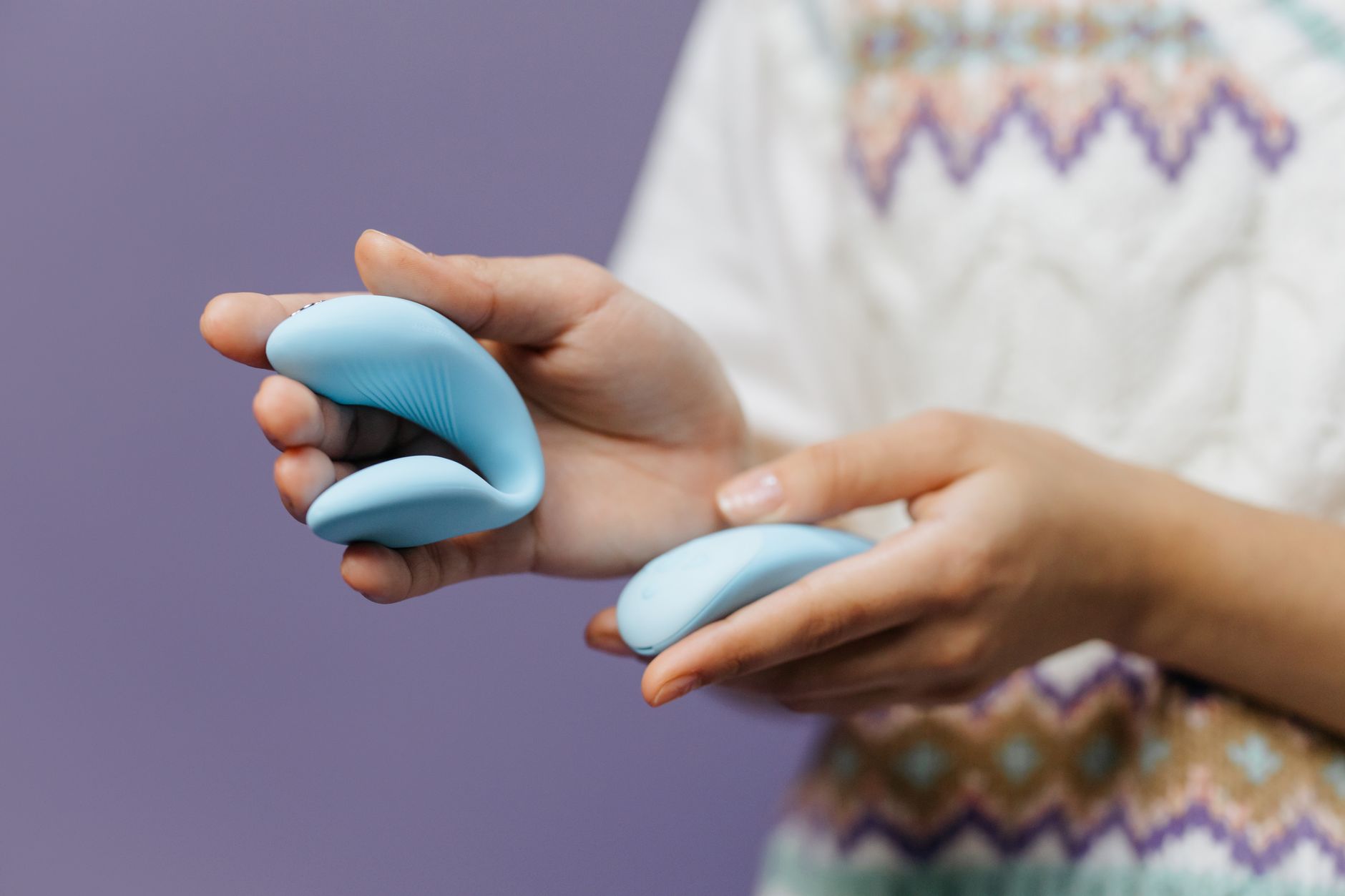
The gap between you is real, and it's fixable
When intimacy erodes, it usually doesn't happen all at once. A busy season at work stretches into months. A health scare shifts attention away from pleasure. A conflict goes unresolved, and touch becomes fraught. Suddenly you and your partner are in the same bed but miles apart, and neither of you knows how to close that distance.
Here's what I've learned from two decades of working with couples: the pathway back isn't apology or grand gestures. It's curiosity, permission, and presence. Lemon vibrators can be the exact tool that makes those three things possible.
Why vibrators matter when you're rebuilding
When you've stopped having sex, or when sex has become tense and obligatory, restarting feels impossibly high-stakes. You're carrying the weight of months or years of absence, plus the fear that things won't work anymore. That pressure kills arousal before anything else does.
A lemon vibrator changes the equation because it removes shame and speculation from the equation. It's not about him or her failing. It's not about performance or comparison. It's a neutral object that both of you can learn from, together.
Physiologically, lemon vibrators work through gentle suction and pulsing patterns that bypass the usual pressure-based stimulation. When trust has eroded, this matters because it removes the vulnerability of direct touch. You can focus on sensation instead of managing emotions. That sounds small until you're the one lying there, finally able to breathe and experience pleasure without self-editing.
Start with conversation, not action
This is the part most couples skip, and it's exactly why rebuilding stalls. Before you introduce a lemon vibrator, you need a conversation that has nothing to do with sex.
Sit down, not in the bedroom. Make it clear this isn't a negotiation or a complaint session. Say something like: "I miss us. I miss touching you and being touched. I don't know how to start again without it feeling weird, and I'd like to figure that out together."
Then listen. Your partner might feel rejected, unseen, or scared they've done something wrong. Those feelings are real and need air before anything else happens. This conversation is about understanding what created the distance and what would help you both feel safe reconnecting.
Only after that conversation does a lemon vibrator enter the picture. And you introduce it as a curiosity, not a fix. "I've been reading about how these work, and I think trying one together might help us remember what pleasure feels like when we're not stressed." Neutral. Invitational. Zero pressure.
How to use it together: three setups that work
There's no single right way to reintegrate a lemon clitoral vibrator into a relationship that's been distant. But three frameworks tend to feel most natural for couples rebuilding trust.
The exploration model. You lie down together, fully clothed at first. One partner holds the lemon vibrator, and the other person guides it to where it feels good. The pointer is not stimulating yet. Instead, you're both discovering what sensations live where, without judgment. This works because it puts discovery before intensity. You're learning something new together instead of resurrecting something that felt broken.
The turn-based model. You each take a turn with the lemon vibrator, with your partner present and attentive. This might sound impersonal, but it inverts the usual anxiety. You're not performing for each other. You're witnessing each other's pleasure, which is profoundly different. After months or years without that, it's often deeply moving.
The integrated model. After a few sessions of exploration, you introduce the lemon vibrator into partner sex. It becomes one element among others. Touch, kissing, penetration, vibration. All of it matters. None of it is the main event. This usually feels easiest after you've already spent time rebuilding familiarity.
Whichever model you choose, the pace is everything. Move slowly. If something feels off, pause. Say so. Then restart when you're both ready. This isn't about endurance or proving anything. It's about creating safety, one small moment at a time.
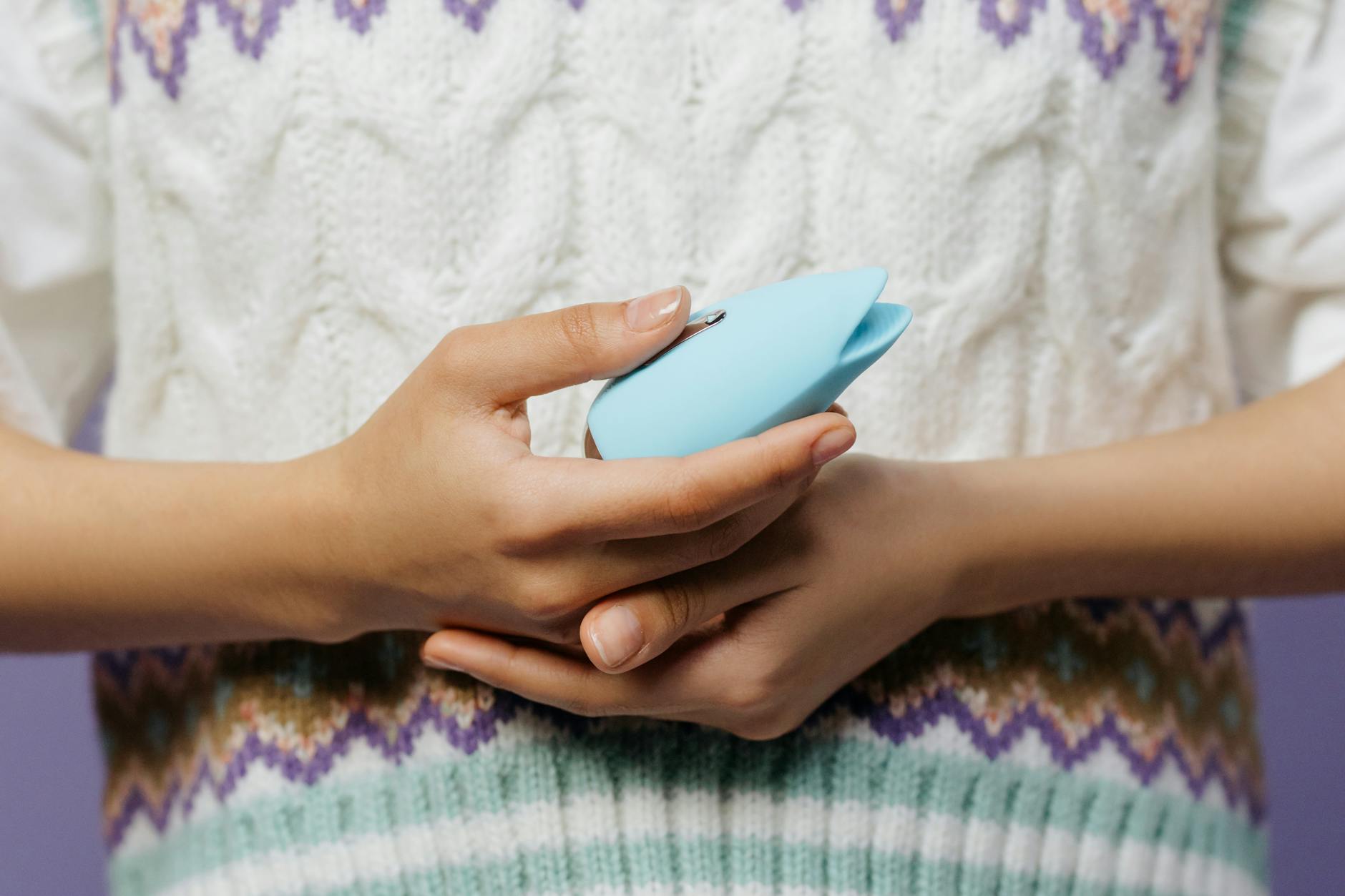
Photo by cottonbro studio on Pexels
The emotional logistics of rebuilding
When you're using a lemon vibrator with a partner after an absence, emotions usually arise. Sometimes waves of sadness because you remember what it felt like before. Sometimes laughter because the situation is absurd and tender at once. Sometimes guilt or frustration.
These feelings are not obstacles. They're information. Pause and talk about them. "I just felt sad. I'm not sure why. I'm not asking you to fix it. I just want you to know." That level of honesty is the actual rebuild. The lemon vibrator is just the occasion for it.
One thing I see couples do wrong: they assume pleasure should feel instant and obvious. It often doesn't when you're reconnecting. Arousal might take longer. Orgasms might feel different or harder to reach. Sensation might feel numb at first. All of that is normal. Your nervous system is recalibrating. This isn't failure. This is a process.
The first few weeks matter most
If you're restarting intimacy with a partner, consistency matters more than intensity. Once a week with a lemon vibrator and genuine presence beats every other day with distraction and screens in the next room.
Create conditions where you can focus. That probably means a time when you're both not exhausted. A space where interruptions are unlikely. Pillows, a blanket, lube (water-based, always), and maybe some low music if silence feels too exposed. These details signal to your body and mind: we're taking this seriously.
If you hit a wall, how to use a lemon vibrator when your partner dismisses your pleasure is worth reading. But most couples find that after three or four intentional sessions, something shifts. The awkwardness starts to lift. Your bodies remember each other. Touch stops feeling like a foreign language.
When to bring in outside support
Sometimes the distance is too big for a vibrator to bridge alone. If there's a history of infidelity, abuse, or fundamental mismatch, you both need a therapist alongside any physical reconnection. A lemon vibrator won't heal a broken trust foundation. But it can be one useful piece of a larger repair.
If one partner is resistant to the idea entirely, don't push. Instead, ask why. Is it shame about vibrators? Worry that it means something's wrong? Fear of vulnerability? Those are real conversations to have, ideally with a couples counselor. Forcing someone into physical intimacy they're not ready for will only widen the gap.
When arousal takes time, a lemon vibrator becomes your ally
After time apart, arousal often moves slower than you remember. Your body is cautious. That's not a problem. How to use a lemon vibrator when arousal takes longer to build walks through the physiology and timing. But the short version: lemon vibrators are built for slow builds. The pulsing patterns work with your nervous system instead of against it. Start at a lower intensity and give yourself 15 to 25 minutes. Pleasure is not a race.

Photo by DRT.fm on Pexels
The conversation after
This might be the most important part. After using a lemon vibrator together, spend a few minutes talking about what happened. Not performance review. Just curiosity.
"How did that feel?" "What was surprising?" "What do you want to try next time?" These questions keep the conversation going and prevent sex from becoming something that happens to you instead of something you're choosing together.
Most couples find that these post-session conversations rebuild emotional intimacy faster than the physical part does. You're moving from isolated bodies to witnessed beings. That shift is the actual reconnection.
Why Official Lemon Vibrators specifically
Lemon vibrators are built for exactly this moment. They work through gentle suction rather than intense vibration, which means less performance pressure and more actual sensation. The design encourages you to explore at your own pace. There's no complexity, no app to fidget with, nothing between you and the experience.
If you're rebuilding, simplicity matters. You want something that works, something you don't have to think about troubleshooting, and something that feels inviting rather than clinical. That's what makes lemon clitoral vibrators such reliable tools for couples reconnecting.
The timeline is personal
Some couples reconnect in three weeks. Others take three months. There's no metric for success except your own sense that you're moving toward each other instead of away. Watch for that. When you catch yourself laughing together, or when touch stops feeling like a task, you'll know something's shifted.
Rebuilding intimacy with a partner isn't about returning to what you had before. It's about learning what you're capable of together, now. A lemon vibrator is just the beginning.
People Also Ask
What if my partner is embarrassed about using a vibrator together?
Embarrassment usually comes from shame about pleasure, not about the vibrator itself. Start there. "I want us to have good sex together. I think this could help. Would you be willing to try?" If they're still hesitant, ask what specifically feels uncomfortable. Is it that they think it means they're not enough? That's worth unpacking with a therapist. If it's logistics or unfamiliarity, offer to research together or watch an educational video. Make it collaborative, not something you're asking them to do for you.
How do I know if we're ready to try a lemon vibrator?
You're ready when you've had at least one conversation about reconnecting and you both expressed willingness to try. You don't need to feel fully trusting yet. You just need mutual curiosity. If one person is enthusiastic and the other is reluctant, wait a bit longer. Mismatched readiness will create more tension, not less.
Should we use lube with a lemon vibrator?
Yes, always. Water-based lube is gentlest and works with all vibrator materials. It helps the suction mechanism work more smoothly and makes the whole experience more comfortable. Even if you feel naturally lubricated, adding more removes friction and allows you to focus on sensation instead of discomfort. This is especially true if you're rebuilding after a long absence, when tissues might be more sensitive.
What if we try it and it doesn't help?
One session rarely fixes months or years of disconnection. If you've done the emotional conversation work and tried a lemon vibrator a few times without progress, that's worth bringing to a couples therapist. Sometimes the distance reflects a deeper incompatibility or unhealed hurt. A vibrator is a tool for reconnection, not a cure-all. If the fundamental willingness to reconnect isn't there, no device will change that.
Is it normal for pleasure to feel different after time apart?
Completely normal. Your nervous system needs time to reset. Sensation might feel muted, arousal might come slowly, orgasms might feel different. This is your body recalibrating, not a sign that something's broken. Most couples find that after a few weeks of consistent, gentle reconnection, sensation normalizes. Patience and presence matter more than pressure.
Can we use a lemon vibrator if we're also dealing with communication problems?
Physical tools don't fix communication breakdowns. If you and your partner struggle to talk about hard things, that needs attention first. A lemon vibrator can enhance an already-functional relationship. It can't replace the conversation work. Consider talking to a couples counselor alongside any physical reconnection. They'll help you build the communication skills that actually sustain intimacy long-term.