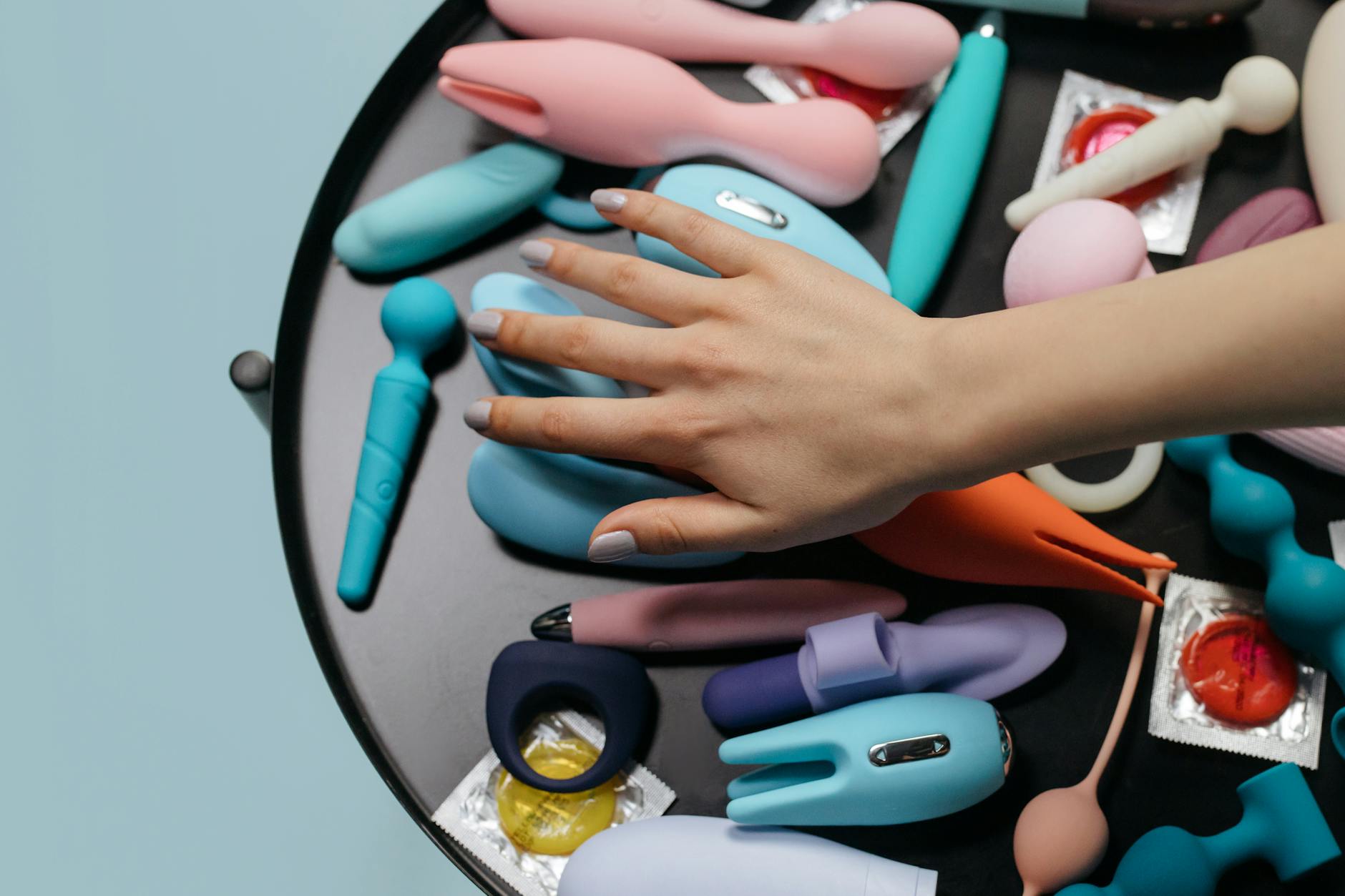
How to Use a Lemon Vibrator When Rebuilding Your Sex Life After Years Solo
Returning to partnered sex after time alone rewires your body and mind. Here's what actually changes, how to pace yourself, and why starting with a lemon clitoral vibrator makes the transition gentler.
Years alone change your nervous system. Your body forgets patterns it used to know, your arousal timeline shifts, and the prospect of being touched by another person can feel genuinely disorienting even if you're excited about it. That's not a sign something's wrong with you. That's physiology, and it's completely reversible.
The transition from solo sex back to partnered sex is a real adjustment, and rushing it often leaves people feeling broken or their partners feeling rejected. Neither is true. Your body needs a reintroduction, not a reboot.
After years of solo exploration, you've built a specific pattern. You know exactly how you touch yourself, how long warm-up takes, what angle works, what speed triggers orgasm. When a partner enters that equation, the variables multiply overnight. Different pressure, different rhythm, different emotional context, different nervousness.
Your brain also forgets some of the neural pathways associated with partnered arousal. Not permanently. Just rusty. The fear response that comes with being vulnerable again can literally suppress arousal signaling. Cortisol (the stress hormone) genuinely blocks the chemical cascade that leads to lubrication and clitoral engorgement.
This is why the first few times back rarely feel like "home." You're not broken. You're in transition.
Here's what makes a lemon vibrator useful during this phase: it gives you a controllable variable in an otherwise unfamiliar situation.
When you're relearning partnered sex, having one element under your direct control calms your nervous system. A lemon clitoral vibrator, specifically, lets you regulate stimulation intensity without relying entirely on your partner's pressure or rhythm. That autonomy is grounding. It's a way of saying to your body: "You're safe. You still get to decide."
The suction sensation also feels distinctly different from what a partner's hands or mouth provide, which means it doesn't trigger the same comparison-to-memory response. It's new-ish, which lets you explore without that subtle pressure to perform the way you used to.
Phase one: solo rediscovery (weeks 1-4). Use your lemon vibrator alone, just like before. The goal isn't performance. It's rebuilding your confidence that your body still responds. Many people in this transition feel panicked about sensation loss. Solo sessions prove that panic is premature. You're the same.
Phase two: introduction to partner (weeks 4-8). Bring your partner in slowly. Maybe they watch. Maybe they hold it. Maybe you use it during foreplay while they touch you elsewhere. The emotional safety matters more than the mechanics. Some couples find that using a clitoral vibrator together, with the partner controlling it, rebuilds trust and playfulness. Others prefer the person using it to stay in charge. There's no script.
Phase three: integration (ongoing). This is when you stop thinking of the vibrator as a "training wheel" and start thinking of it as a tool you simply prefer. Which is exactly what it is.
Most people who've been solo for years worry that introducing a clitoral vibrator will hurt their partner's feelings or seem like a rejection. Say this instead: "I want to enjoy this more, and I know my body better now. This helps me relax so I can be present with you."
That's not a lie. It's also not about them. The reintroduction isn't a referendum on their skill or desirability. It's a physical adjustment, and a smart partner will recognize the difference.
What doesn't help: "I need this because you're not enough." Or apologizing for your own comfort. Your pleasure is not a threat. Repeat that until you believe it.
After years of solo sex, your pelvic floor has adapted to solo patterns. You might hold tension differently, relax differently, or have developed subtle patterns of bracing that made sense when you were alone but now create friction or numbness during partnered sex.
Before using a lemon vibrator with a partner, spend a week or two with pelvic floor awareness. That means: when you feel tension, notice it. When you use the vibrator alone, practice relaxing fully, not just clenching. This isn't Kegel-style strengthening. It's the opposite. It's learning to soften.
When you return to partnered sex with a relaxed pelvic floor, sensation improves dramatically. Penetration feels less uncomfortable. Orgasms feel less distant. The vibrator becomes more effective because you're not fighting your own muscles.
You might notice that arousal lubrication doesn't come as fast as it used to. Again: not permanent, just different. The presence of another person, the nervousness, the unfamiliar pressure, even slight dehydration from stress.
Use water-based lube generously. Not because you're broken, but because the combination of a partner's touch plus a lemon clitoral vibrator works better with additional lubrication, especially if your arousal is still ramping up.
Don't wait for your body to catch up on its own. That delay feeds the anxiety feedback loop. Lube + vibrator + time together = your nervous system settles, and then real arousal kicks in.
Years of solo sex often come with specific emotional states. Maybe silence. Maybe fantasy. Maybe very specific thought patterns. When a partner is present, those internal landscapes shift. You're split between what you're imagining and who you're with.
That's normal. But it requires permission. Many people feel guilty for needing a moment to transition mentally or for wanting to keep some of their internal world private even during partnered sex. That's healthy, not cold.
Using a lemon vibrator can actually help with this because it gives your conscious mind something focused to do, which paradoxically frees up the emotional and imaginative part of your brain. You're concentrating on sensation rather than performance, which feels better for both partners.
Some couples skip the solo rediscovery phase entirely and jump straight to using a clitoral vibrator together, which works fine if the person being stimulated stays in control of the device. If your partner is holding it, make sure you can give constant feedback. "That speed," "just there," "lighter." Communication is not dirty talk. It's a roadmap.
If you've been solo for a long time, you might also feel awkward directing someone else's touch. Practice it anyway. Your partner wants you to feel good. The directiveness is actually hot to most people because it means you're invested, not just tolerating.
There's no rule about how long you should use a lemon vibrator as a buffer between solo and partnered sex. Some people integrate within weeks. Others prefer to keep it as part of their regular partnered routine indefinitely. Both are completely fine.
The goal isn't to eventually not need it. The goal is for you to feel present, aroused, and connected. If a clitoral vibrator helps you get there, it's doing its job. Period.
Most people report feeling more settled within 4 to 8 weeks of regular contact, though comfort continues deepening for months. The first few times are almost always awkward. That's expected. By the fourth or fifth time, your nervous system starts recognizing the pattern as safe, and arousal becomes more accessible. If you're still feeling significantly uncomfortable or numb after two months, talking to a therapist or sex counselor can help identify whether it's a physical issue, emotional block, or mismatch with the partner.
No, but it does create a habit pattern your body recognizes. If you've been using a specific vibrator at a specific speed and pressure for years, your body builds an association with that exact sensation. A partner's hands or mouth will feel different because they are different. That's not damage. It's just different. A lemon clitoral vibrator bridges that gap by letting you maintain some of that familiar sensation while your body adjusts to new input. Using the vibrator together, not solo, helps your body learn that pleasure can come from multiple sources.
That's worth a direct conversation outside the bedroom. Frame it as a tool for reconnection, not a replacement. Many partners worry that a vibrator means they're not satisfying you or that you'd prefer it. In reality, you're asking for help easing a transition that both of you benefit from. If the conversation doesn't shift their perspective, couples therapy can be genuinely useful. A professional can help him or her understand that your pleasure is good for the relationship, not a threat to it.
Absolutely. It's actually one of the easiest ways to add clitoral stimulation during penetration, especially if you're relearning partnered sex. Many people find that clitoral stimulation during penetration makes orgasm easier, which is exactly what you need while your body is adjusting. Just make sure there's enough room and communication about pressure. Start with lower intensity settings and adjust up as you become more comfortable.
That's a signal worth listening to, not pushing through. Sometimes the issue is the partner (mismatch, trust issue, unresolved conflict). Sometimes it's your own nervous system (trauma response, medication side effect, depression). Sometimes it's both. If arousal is completely absent and it's been more than two months of regular contact, talk to a doctor and consider a therapist. There's usually something fixable underneath, whether that's medical or relational.
Completely normal and actually healthy. Solo sex and partnered sex are different experiences. Some people maintain both indefinitely. Others shift more toward partnered. Most people find a rhythm where both exist in some proportion. Your need for solo time isn't a rejection of your partner. It's just different. If your partner frames it as rejection, that's worth addressing separately.
Rebuild is the right word because it suggests you're not broken. You're not learning from scratch. You're reconnecting with something that's still there, just dormant. A lemon vibrator is a useful tool for that reconnection because it keeps one variable under your control while everything else is new. That autonomy actually makes room for vulnerability, which is what rebuilding intimacy requires.
If you're navigating this transition and want to talk through how it's going, we're here for that. Reach out at /contact and let's figure out what you actually need.