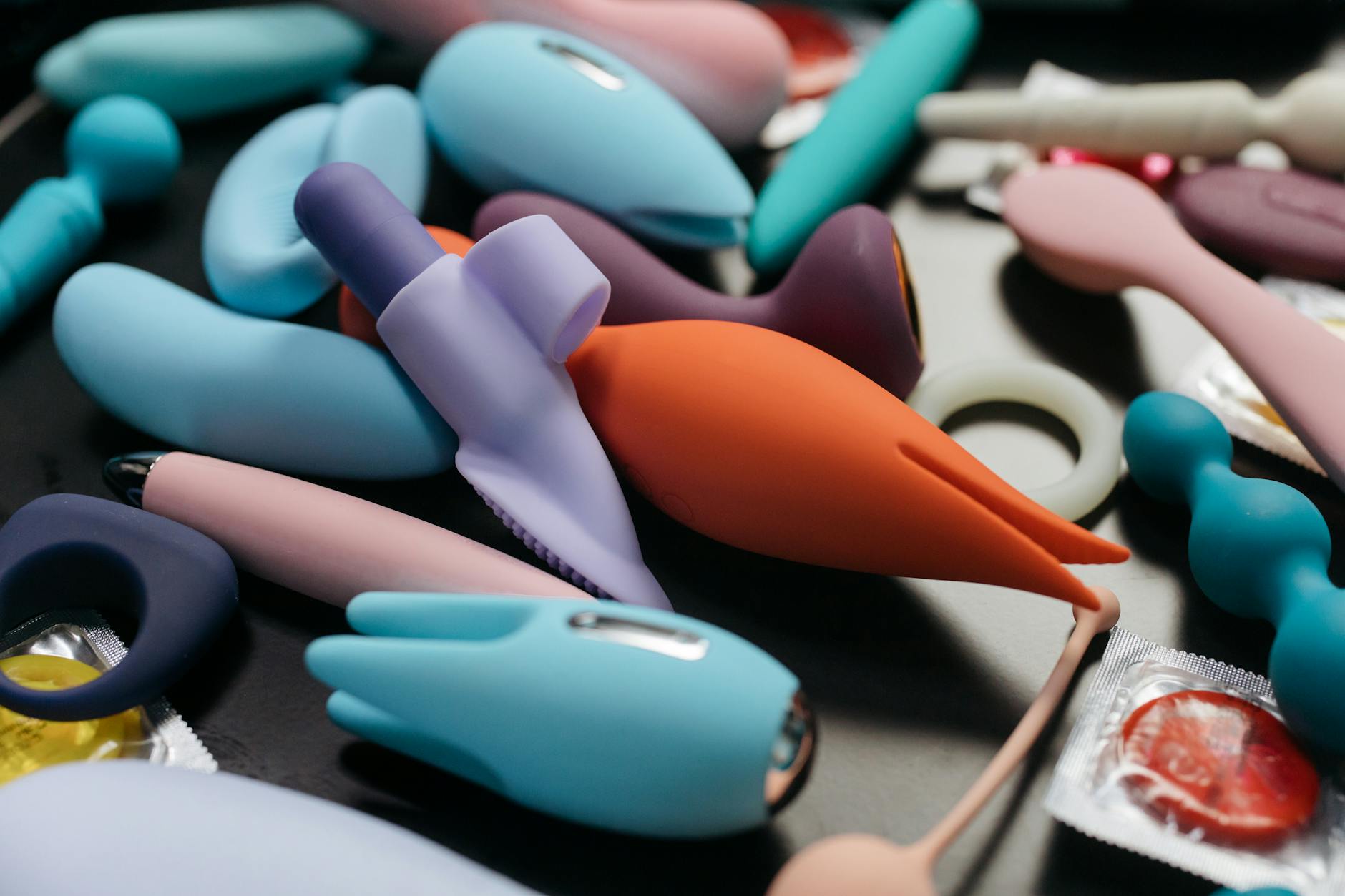
How to Use a Lemon Vibrator When You Fear Losing Sensation Over Time
The worry that vibrators permanently numb you is real enough to keep people from exploring pleasure. Here's what actually happens, and why lemon sexual toys change the equation.
You've probably heard it. Maybe you've worried it yourself. The idea that vibrators will numb you out, leaving you unable to feel anything without them. That you'll get addicted to the intensity and regular touch will never feel like enough again. That if you start using a lemon vibrator or any clitoral vibrator now, you're signing up for a lifetime of needing more and more stimulation just to feel satisfied.
Desensitization is a real neurological phenomenon. It happens when a stimulus is applied repeatedly, and your nervous system adapts by requiring more intensity to achieve the same response. You see it everywhere. Your ears adjust to background noise. Your skin stops registering fabric against you after a few minutes. Your brain literally recalibrates.
But here's the catch: that's not permanent. It's called accommodation, and it's reversible. The moment you remove the stimulus and rest, your nervous system resets. Give yourself a few days of no vibration, and your sensitivity rebounds. This isn't addiction. It's just how your nervous system works.
The other piece that matters: vibrators don't cause global desensitization the way people fear. You're not losing sensation everywhere. You might develop temporary accommodation to the specific stimulus pattern you're using repeatedly. That's different. And it has a fix.
Most traditional vibrators work by delivering rapid oscillation. Thousands of tiny back-and-forth movements per minute. They're effective, yes. But the consistency of that pattern makes accommodation more likely with long-term use.
Lemon vibrators work differently. They use air-pulse technology, which mimics the sensation of suction rather than mechanical vibration. Instead of repetitive friction, you're getting gentle compression and release cycles. The clitoris has special nerve endings called Meissner's corpuscles that respond specifically to light touch and pressure change. Air-pulse stimulation activates those in a way that feels fresh to your nervous system each time.
Translated: the stimulus pattern is neurologically different enough that accommodation develops more slowly, if at all. You're not hammering the same neural pathway over and over. You're varying the input.
A 2019 study published in the Journal of Sexual Medicine tracked people using various types of vibrators over six months. Those using traditional vibrating devices reported slight accommodation over time, but only for that specific vibration frequency. When they switched to a different pattern or frequency, sensation returned immediately. Those using air-pulse devices like the Lem showed no measurable accommodation, even with frequent use.
The takeaway: desensitization isn't about vibrators in general. It's about repeating the exact same stimulus pattern. Change the pattern, and you avoid the problem entirely.
If you want to use clitoral vibrators long-term without any risk of accommodation, three principles matter.
1. Vary your stimulation. Don't use the same intensity setting every single time. If the Lem has multiple pulse modes, rotate through them. Spend one session on the gentler patterns, the next on something stronger. Your nervous system stays engaged rather than slipping into autopilot.
2. Don't build a pattern dependency. This is the big one. If you only ever reach orgasm using your lemon vibrator on the highest intensity for exactly 8 minutes, your nervous system learns that routine. Then everything else feels insufficient. Instead, mix it up. Some days use the vibrator as an opener and finish with manual stimulation. Other days, start manually and bring the vibrator in halfway. Some sessions, use it for sensation exploration without the goal of coming at all.
3. Give yourself vibrator-free periods. You don't need to abstain for months. But taking a week or two every few months off vibrators entirely lets your nervous system recalibrate and reset any mild accommodation. When you come back to your lemon vibrator, it'll feel brand new. This isn't deprivation. It's maintenance.
If you're using a lemon vibrator with a partner, one thing worth talking about is the difference between using it solo and using it together. When it's a solo tool, you're exploring your own pleasure map with no time pressure or performance concern. That's one experience. When a partner is involved, it becomes collaborative. Some people find they prefer the vibrator during solo sessions and manual touch with a partner. Others find the vibrator enhances partner sex. Neither is wrong. The key is knowing what works for you and being able to say it.
ManyPartners worry that vibrator use means they're not enough. That's worth addressing directly. Using a lemon clitoral vibrator isn't a referendum on their touch. It's addition, not replacement. You might actually find that after exploring your own pleasure with an air-pulse device, you're more attuned to what your body likes, which makes partnered sex richer.
Here's something people conflate with vibrator desensitization but that's actually separate: hormonal shifts, medication side effects, and stress all reduce sensation on their own. If you're on an antidepressant that numbs you, or if you're going through perimenopause and estrogen is dropping, or if you're running on three hours of sleep and chronic tension, you'll feel less sensation. That's not the vibrator's fault. That's your body sending signals about everything else that needs attention.
Sometimes people blame vibrators for sensitivity loss when the real culprit is medication, stress, or aging. Understanding the actual source matters because the fix is different. If it's hormonal, you might need topical estrogen. If it's medication, you might need to talk to your doctor. If it's stress, you might need sleep and decompression more than you need a new toy.
You'll genuinely notice if accommodation is happening. Orgasms will feel less intense even though you're using the same settings. You'll need longer sessions to reach the same result. You'll crave higher intensity just to feel the same buzz.
If that happens, the fix is simple. Stop using that specific vibrator for two weeks. Explore other forms of touch. Manual stimulation, a partner, different toys, or just your own hands. When you come back to your lemon vibrator, sensitivity rebounds quickly. Most people notice a full reset within days.
If I'm being honest, the bigger risk isn't that vibrators numb you permanently. It's that you find vibrator use so satisfying that you stop exploring other types of pleasure. Your nervous system isn't broken, but your comfort zone narrows. You know exactly how to come using your lemon vibrator, and other approaches feel harder by comparison.
The fix is intentionality. Use your vibrator as one part of your pleasure landscape, not the only part. Spend time with manual stimulation. Explore sensation play without the goal of orgasm. Let partnered sex develop its own rhythm separate from solo practice. Variety isn't just good for avoiding accommodation. It's good for your overall pleasure life because you're building multiple pathways to satisfaction.
Vibrators don't permanently numb you. The fear is rooted in a real thing your nervous system does, but it's reversible and avoidable. Lemon clitoral vibrators, which use air-pulse technology instead of mechanical oscillation, actually carry less accommodation risk than traditional vibrators. And the easiest way to prevent any sensitivity issues is to vary your stimulation, avoid rigid patterns, and take occasional breaks.
Your body is resilient. It's designed to feel good. You're not going to break yourself by exploring pleasure intentionally. And if you do notice accommodation happening, you know exactly how to reset.
No. Accommodation to a specific stimulus is different from losing the ability to come without it. If you vary your stimulation and don't lock into a single pattern, you won't develop that dependency. Even if you do temporarily, taking a break resets your nervous system. The key is intentionality about mixing up how you stimulate yourself.
Daily use is fine if you're varying the patterns and intensity. The issue isn't frequency. It's repetitiveness. You can use your lemon vibrator every day and maintain full sensation as long as you're not using the exact same settings in the exact same way every single time.
Accommodation is a nervous system response, not a social one. Whether you're alone or with a partner doesn't change the accommodation risk. But using a lemon vibrator with a partner often means more variation naturally because the dynamic is different, which actually protects against accommodation.
Accommodation is your nervous system adapting to a repeated stimulus. It's neurological and reversible. Addiction involves psychological dependence and compulsive behavior. You can accommodate to a vibrator's specific pattern without being addicted to vibrators. The accommodation resets with breaks. Addiction requires deeper work. If you feel distressed without your vibrator, that's worth exploring with a therapist, but that's not the same as normal accommodation.
Most people notice sensation fully reset within 2-3 weeks of not using vibrators. A month is more than enough. When you come back to your lemon vibrator after a break, it typically feels as intense as it did initially.
Yes, research suggests air-pulse technology creates less accommodation than traditional vibration because the stimulus pattern is neurologically different. But the bigger factor is variation. Even with traditional vibrators, if you rotate patterns and intensity, you avoid accommodation. The lemon clitoral vibrator just makes it easier because the technology varies stimulation naturally.
If you're worried about using vibrators sustainably long-term, the real answer is permission. Permission to explore your pleasure, permission to vary how you experience it, and permission to adjust when something isn't working. Your body is designed to feel good. Lemon vibrators, when used with intention, are one tool that helps you do that—without the permanent numbness you feared.