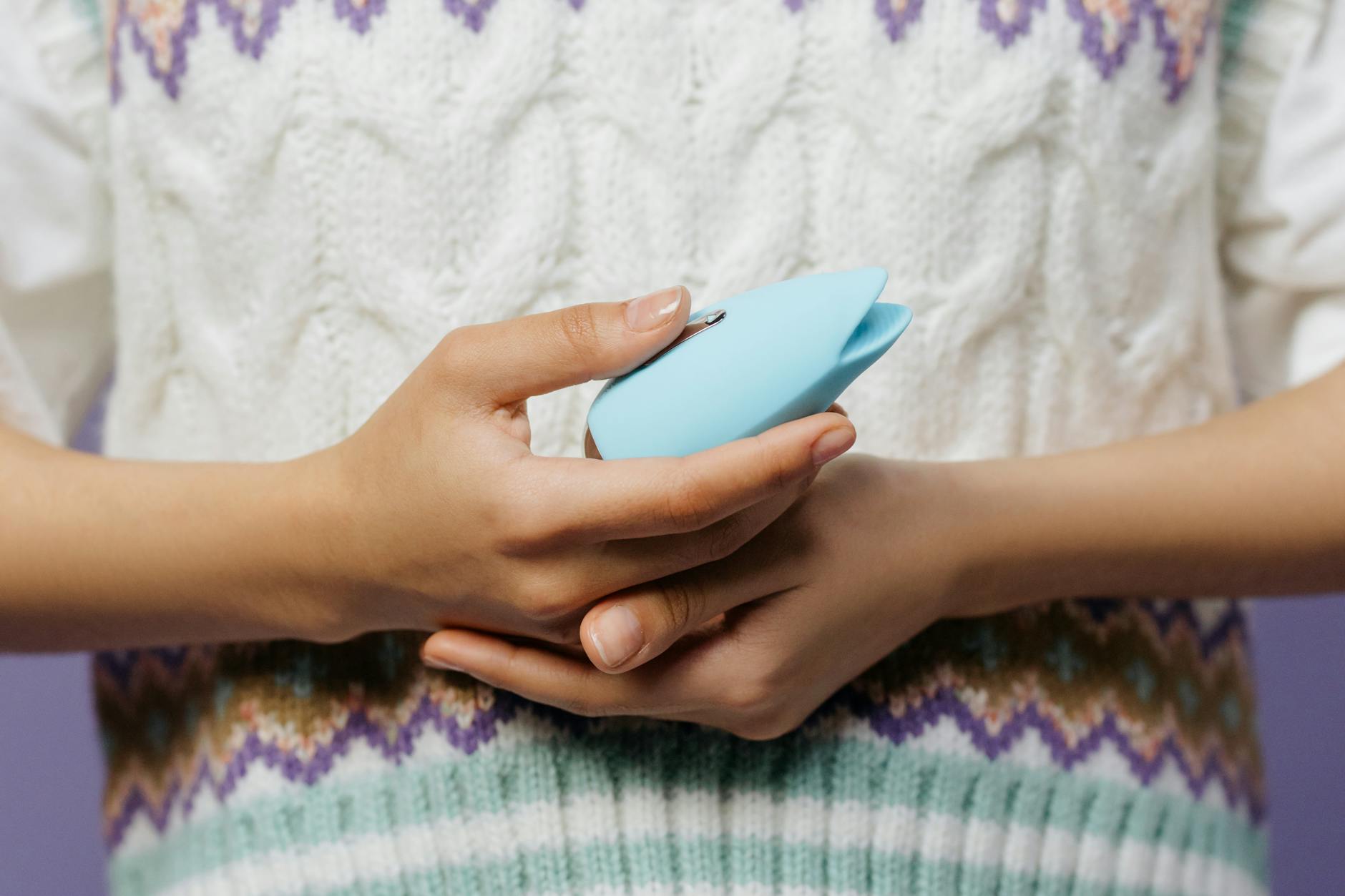
Here's what nobody tells you about menopause and clitoral sensitivity
After menopause, your clitoris doesn't stop working. It changes. The tissue thins because estrogen drops, and that shift changes everything about how stimulation feels. Some days it's uncomfortable. Some days it's numb. Some days it's weirdly intense, like someone turned up the volume on pain instead of pleasure.
Most people assume this means sex gets worse. Most people are also working with outdated information.
What happens to clitoral tissue after menopause
Your clitoris is mostly nerve. Estrogen supports the tissue surrounding those nerves, keeps it plump, keeps blood flowing. When estrogen drops, that tissue gets thinner and more delicate. It's not fragile in the way people talk about fragility. It's delicate the way a tuning fork is delicate. It still works. It just requires a different kind of touch.
Here's the part that changes everything: the thinner tissue means direct friction becomes uncomfortable faster. A traditional vibrator that worked beautifully for 20 years might suddenly feel like sandpaper on a nerve ending. That's not a sign you should stop. It's a sign you need to switch tools.
A lemon vibrator, which works through gentle suction rather than direct vibration, is built for exactly this. The suction creates stimulation without requiring the tissue to absorb direct mechanical pressure. It's the difference between someone poking you and someone gently drawing air toward them.
Why air suction changes everything for post-menopausal sensitivity
Think of how your clitoris responds to touch normally. There are layers: nerve endings, tissue around the nerves, blood vessels, skin. Direct vibration presses down through all of those layers. Suction pulls upward, which engages the nerves differently and distributes pressure across a wider area.
For post-menopausal tissue, this matters because thinner tissue has less buffer between the stimulation and the underlying nerves. Suction is gentler on that buffer while still being incredibly effective. You get intense sensation without the scraping feeling that makes you want to stop halfway through.
The lemon vibrator specifically uses a pattern that mimics oral stimulation. Most post-menopausal people report that oral sex or suction still feels good even when other touch feels uncomfortable. That's not a coincidence. It's because suction distributes intensity differently than vibration does.
The setup that actually works for sensitive clitoral tissue
Three things first: water-based lube, time, and a realistic speed dial.
Lube matters more now than it ever did. Yes, you might produce natural lubrication. But because the clitoral tissue is thinner, adding a slick layer between the lemon vibrator and your skin prevents any microscopic friction. Use a water-based lube. Apply it generously. This isn't cheating. This is respecting how your body works right now.
Time matters because sensitivity often goes hand in hand with slower arousal. Budget 15 to 25 minutes instead of 5. This isn't a flaw in your system. Arousal that takes longer is just arousal that works differently. Your brain needs time to catch up to your body's new rhythm.
Speed dial is the part people skip. A lemon vibrator usually has multiple intensity settings. Start at setting one. I mean actually start there, not mentally plan to start there then immediately jump to three. Setting one often feels like nothing the first 30 seconds. That's normal. Your sensitive tissue is getting used to the sensation. After a minute, you'll notice it building. When you do, you might want to bump to setting two. The temptation is to think you need more power. Usually you don't. You just need patience.
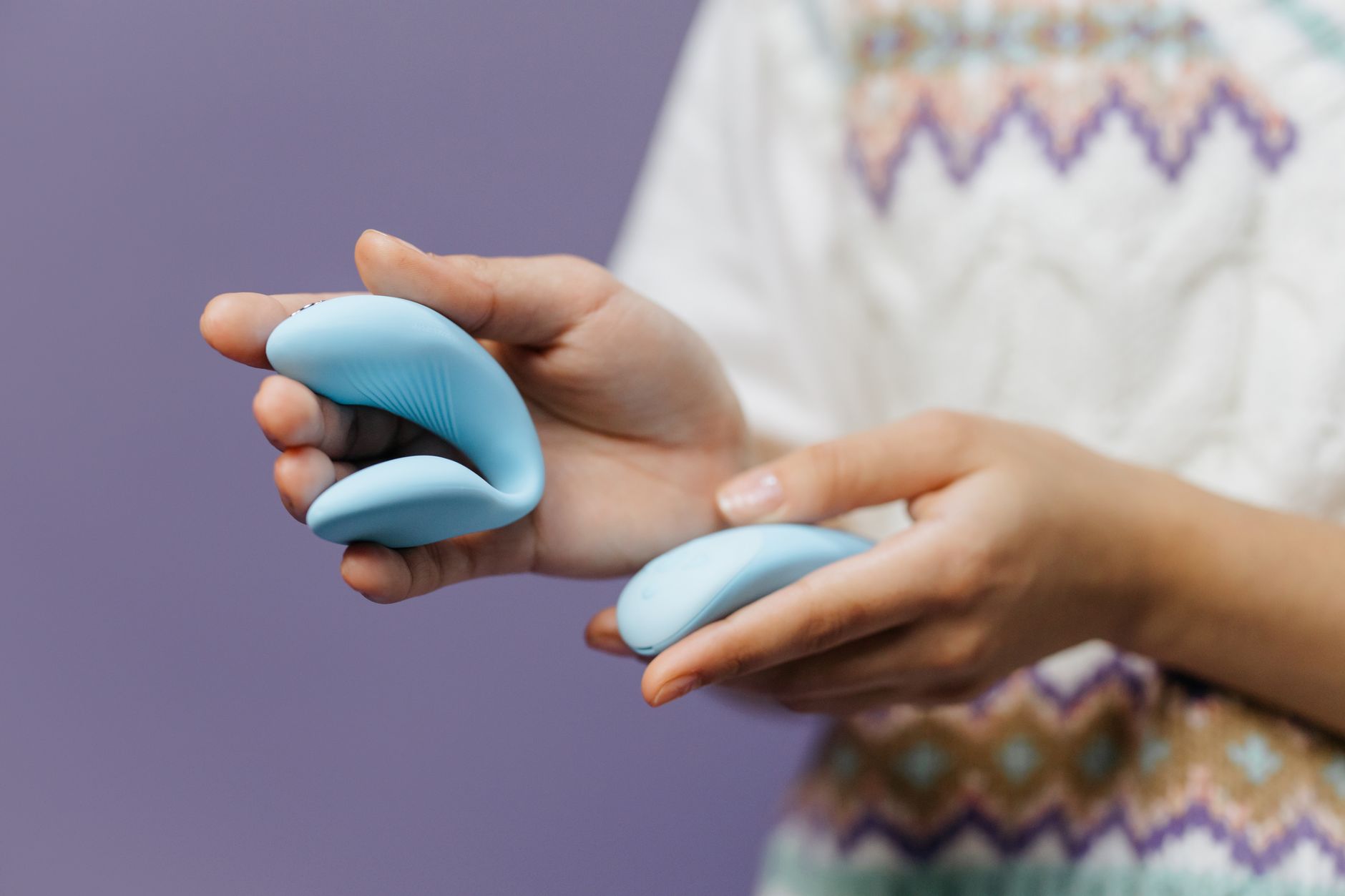
Photo by cottonbro studio on Pexels
Positioning and angle for sensitive post-menopausal tissue
Angle changes everything. If you're using a lemon vibrator while lying on your back with your legs straight, you're putting tension on the entire pelvic floor, which is already dealing with less estrogen support. Your tissue is basically being stretched while also being stimulated. That's a recipe for discomfort.
Try this instead: lie on your back with your knees bent and a pillow under your lower back. Your pelvis tilts slightly forward. This releases tension in the pelvic floor and gives the clitoral tissue room to respond without being yanked at the same time. It feels completely different. Often the difference between uncomfortable and genuinely pleasurable.
You can also try sitting upright with a pillow between your legs, which gives you more control over angle and pressure. Because you're not lying down, gravity helps keep tension out of the pelvic floor.
The point is simple: if something hurts, change your angle before you change your mind about pleasure after menopause. Usually the angle is the actual problem, not the tool.
When sensation is building slowly (and that's fine)
One of the weird things about post-menopausal clitoral sensitivity is that it can feel like nothing is happening for the first few minutes, then suddenly snap into high definition. This is your nervous system recalibrating. Your clitoris is waking up. This is not a sign to give up or grab a more powerful vibrator.
For sensitive tissue, slow building is actually ideal. It means you're not shocking your system. You're inviting pleasure gradually, which feels better and lasts longer. When you finally reach orgasm after a longer buildup, it's often more intense and more full-bodied than the quick hits you might have had before.
One practical thing: set a timer for 10 minutes. Tell yourself you're not trying to come. You're just exploring what sensation feels like right now. You'd be amazed how many people find that letting go of the goal changes everything. The lemon vibrator does the work. Your job is to pay attention and breathe.
Pain versus pressure: knowing when to stop
Let's be clear about the difference. Pressure can be good. Pain is not.
Pressure feels like something is happening, like intensity building, like your body is working toward something. Pain feels sharp or burning or like sandpaper or like your tissue is being irritated. Pain is a signal to stop, adjust, or try a different approach.
If you feel pain, stop immediately. You might need more lube. You might need to lower the intensity. You might need to wait a few minutes and try again. You might need to see a gynecologist who specializes in menopause, because genitourinary syndrome of menopause is real and treatable.
But if you're feeling pressure and intensity and something building, that's your clitoris doing exactly what it's supposed to do. That's not pain. That's sensation. Hold that space for a few more minutes.
When to use lemon vibrators for sensitive tissue versus partnered touch
Many people assume that after menopause, they should switch from toys to partnered sex exclusively. That's not the math.
A lemon vibrator's suction action is actually easier on sensitive post-menopausal tissue than certain kinds of partnered touch. A partner's fingers or mouth, while sometimes amazing, can be harder to control precisely and might apply unpredictable pressure. A tool that you operate gives you total control over intensity, angle, and duration.
That said, partners can learn to use lighter touch, longer warm-up, and gentler pressure. The issue isn't partnered sex itself. The issue is pressure without awareness.
Many people find that combining the two works best: a lemon vibrator for solo exploration where you can tune everything to your sensitivity, and partners who understand that slow, light touch works better now than before.
Building confidence in post-menopausal pleasure
Here's something nobody says clearly enough: your clitoris after menopause is not broken. It's adapted. And adapted sometimes means better, not worse.
The first time you use a lemon vibrator with this new sensitive tissue, you might feel weird. You might worry you're doing it wrong because it's different from before. You might feel frustrated that you can't jump straight to the intensity you used at 35.
That's normal. And it's also not the ending of the story.
Most people who stick with it for three or four sessions find that their body learns what works. The sensitivity becomes less of a barrier and more of useful information. Some people discover that their orgasms are actually more intense now, or more full-bodied, or arrive in ways they didn't expect.
Give yourself that time. Your nervous system needs a few weeks to recalibrate around the tissue change. Three sessions is information gathering. Three weeks is a fair test.
FAQ: Lemon vibrators and post-menopausal clitoral sensitivity
Is it normal for my clitoris to feel numb and then hypersensitive at different times after menopause?
Completely normal. You're not going crazy. Estrogen levels can fluctuate a bit even after menopause, and your nervous system is still adapting to lower hormone levels overall. Some days the tissue feels thicker and more responsive. Some days it feels paper-thin. This usually settles within six months to a year, but it's worth tracking so you can anticipate which settings and approaches will feel best on different days.
Can a lemon vibrator cause damage to sensitive post-menopausal tissue if I use it too much?
No, not from the suction itself. Overuse might make the area feel tender the way muscles feel sore after a workout, but you're not damaging the tissue. That said, if you're using a lemon vibrator daily for 30 minutes and your tissue feels raw, scale back to every other day and use more lube. Your body is asking for recovery time, not telling you to quit.
Should I use topical estrogen cream before using a lemon vibrator if I have sensitive tissue?
That's a question for your doctor, because it depends on whether you've been prescribed topical estrogen and whether your tissue would benefit from it before sexual activity. Many people use topical estrogen cream on the evening before they plan to have sex, which gives the tissue a small boost of hydration and plumpness. If you haven't talked to your doctor about it, that's worth doing.
Does a lemon vibrator work differently for sensitive tissue than other types of vibrators?
Yes, fundamentally. A traditional vibrator provides mechanical vibration. A lemon vibrator provides suction stimulation. For thinner, more sensitive clitoral tissue, suction typically causes less discomfort because it doesn't require the tissue to absorb direct vibrational force. If traditional vibrators have started feeling uncomfortable, switching to suction-based stimulation is often transformative.
How long should I wait after menopause before using sexual pleasure tools if my clitoris feels sensitive?
You don't need to wait. Sensitivity is not a reason to pause pleasure. Sensitivity is information about how to approach pleasure differently. Using a lemon vibrator with attention to angle, lube, and slow buildup often helps the tissue respond better over time rather than worse. Movement and bloodflow support healing tissue, including clitoral tissue.
What if a lemon vibrator still feels uncomfortable even with lube and lower settings?
Try these adjustments in order: more lube, longer warm-up time, lower intensity for longer duration, different angle, and partner-assisted touch if you have a partner. If none of those work, see a gynecologist. You might have genitourinary syndrome of menopause that would benefit from topical estrogen, or your pelvic floor might need physical therapy attention. Discomfort is solvable. It doesn't mean you're finished with pleasure.
What changes and what doesn't
Your clitoris after menopause is not finished. It's renegotiating with your body. Estrogen drops, tissue adapts, sensitivity shifts. None of that means pleasure ends.
A lemon vibrator's gentle suction works with that renegotiation instead of fighting it. You get to keep feeling good. You just get to do it differently. And for most people, different turns out to be surprisingly good.
If you're navigating sensitivity after menopause and want to explore what works for your body, how to use a lemon vibrator when clitoral sensation takes time to build covers some overlapping ground that might help. You might also find why lemon vibrators work better for sensitive clitoris worth reading for the mechanics behind why suction feels different.
Your pleasure matters. Your body's changes matter. And you deserve tools and information that respect both.